
Most visitors to Moyobamba meet the juane first, especially in June. But Moyobamba's everyday table is much wider. People cook with what the high jungle provides: plantain, cassava, peanuts, maize, free-range hen, pork and river fish, often wrapped in bijao leaves.
This guide brings together the dishes and drinks that regional and tourism sources describe as typical of Moyobamba and San Martín. It is not a recipe book: every family has its own version.
Morning soups and stews
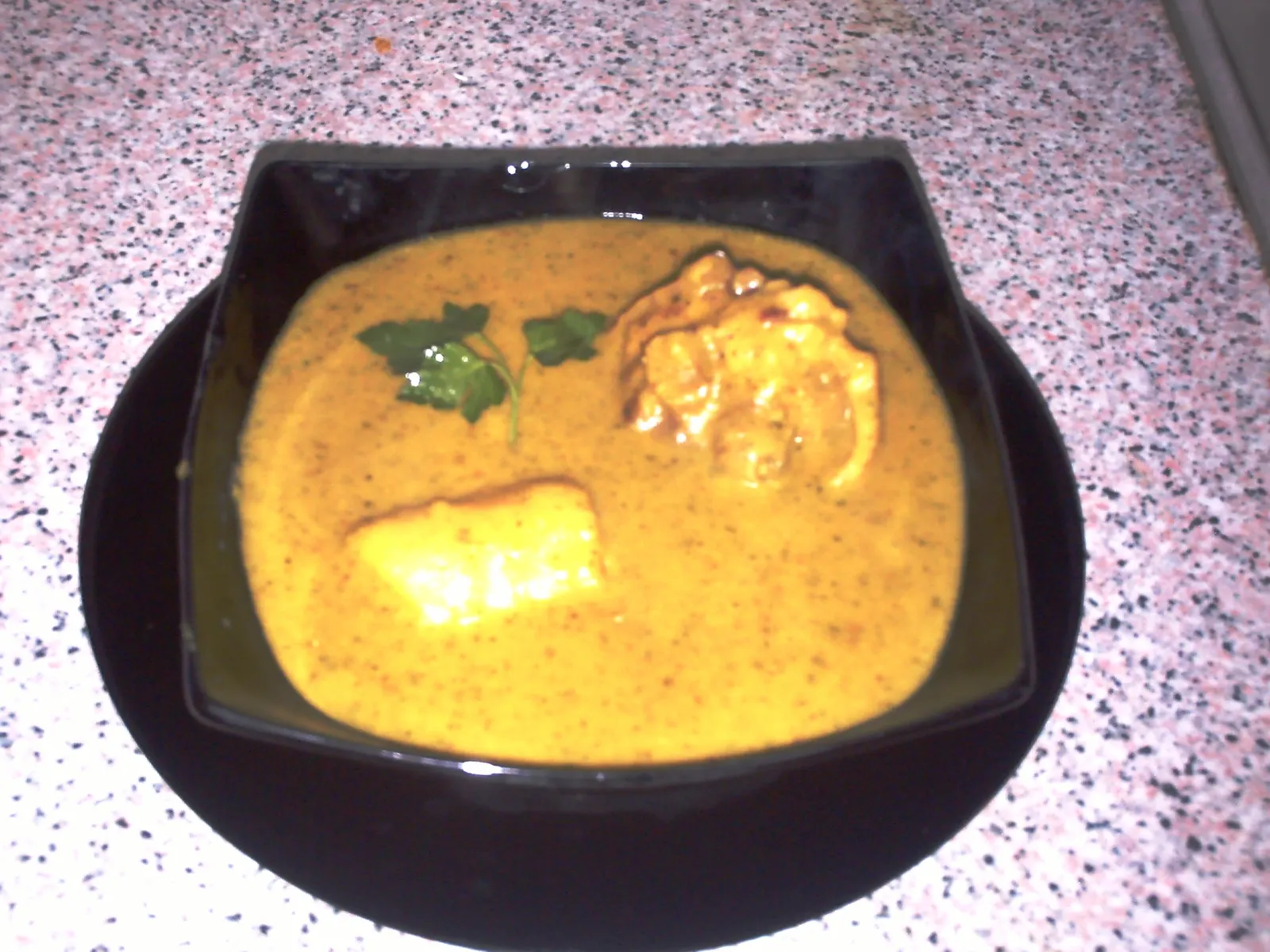
Inchicapi is a thick hen soup with ground peanuts and maize flour. It usually includes cassava and coriander. It is a dish to start the day with: that is how Andina described it in a report from Moyobamba.
Stews with peanut and maize belong to the same family. Apichado is pork stewed with peanuts and maize. Gallina guisada (stewed hen) has peanuts, coriander and cassava.
The Moyobamba 500 Años collective promotes the cooking of Moyobamba's grandmothers, food that hardly appears in restaurants. Its list includes poroto shirumbe, cutacho, humitas, tamales and homemade relleno. Other dishes mentioned in Moyobamba are ají mishki ucho and frejol mela mela. If a local family offers them, they are worth trying.
Tacacho, cecina, chorizo and patarashca
Tacacho is green plantain, roasted and mashed, served with cecina (dried pork) or with pork crackling. In Moyobamba cecina is also served with chorizo: the Moyobamba 500 Años collective lists "cecina con chorizo" among the city's traditional dishes.
Patarashca is fish wrapped in bijao leaves and cooked over embers. The leaf keeps the juices in and gives the fish its aroma.
Two more classics come from the river and the forest. Caldo de carachama, a broth of a river fish, is served with plantain and coriander. Ensalada de chonta is made with palm heart, the tender core taken from certain palms, and appears on lists of Moyobamba's typical food next to the juane and the tacacho.
Some dishes go beyond the everyday. Asado de picuro, a forest rodent similar to the guinea pig, appears on lists of Amazonian food. And the juane has its own San Martín variants, such as avispa juane, juane de chonta and sara juane, which we cover in another article.
Drinks
Fruit is drunk as juice. Aguajina is made by blending the pulp of the aguaje, the fruit of the palm of the aguajal swamps, with water and sugar, and is served cold. Cocona drinks are also common.
Chapo is made with plantain, on its own or with milk.
Masato is cooked, fermented cassava, with sweet potato or sugar. Chuchuhuasi is a cane spirit macerated with the bark of the tree of the same name: it is alcoholic and best taken in moderation. The Moyobamba 500 Años collective also mentions chicha de higo, upé and ponche de masato as part of Moyobamba's drinking tradition.
Where to try it
The city's markets and picanterías are the easiest place to start. Food fairs help too: the 2024 and 2025 Semana Turística programmes included a Corpus Christi food fair in the Plaza de Armas, and in 2025 there was a juane contest. In 2023 the Moyobamba 500 Años collective announced the launch of a festival devoted to that grandmothers' cooking at Punta de Fachín, which it proposes as a traditional street of Amazonian flavours.
A practical tip: inchicapi is eaten in the morning, so look for it early. If you are looking for something less common, like poroto shirumbe, ask at the market or a neighbourhood cook.